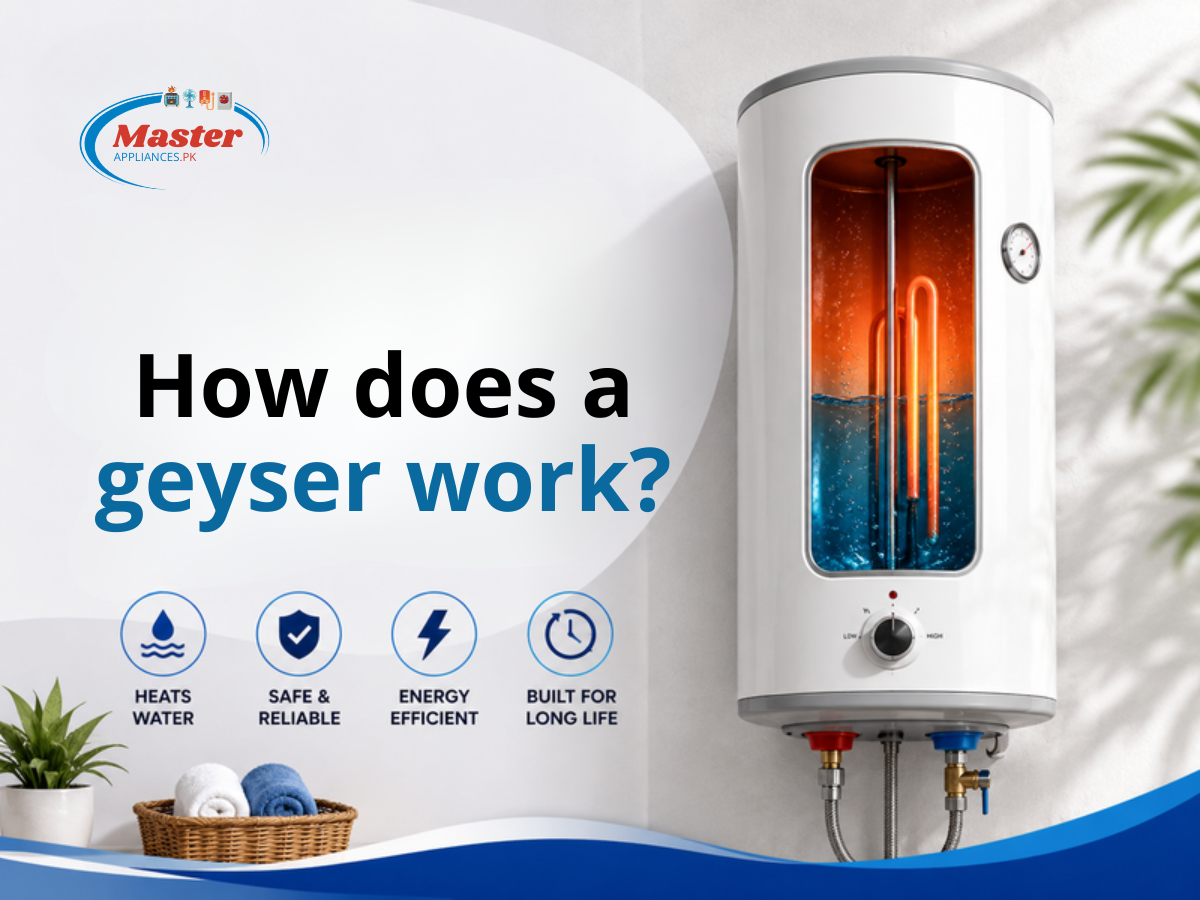

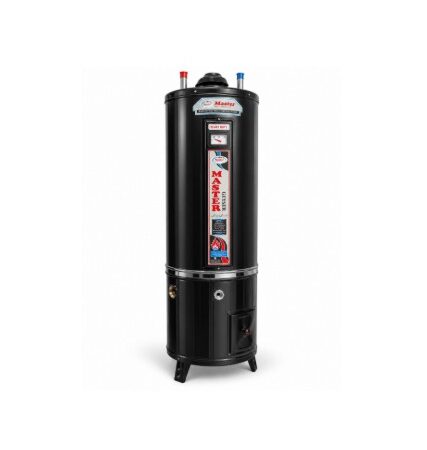
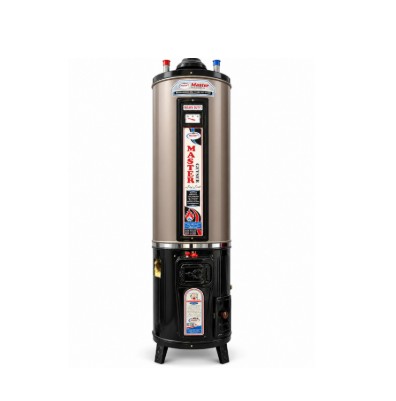
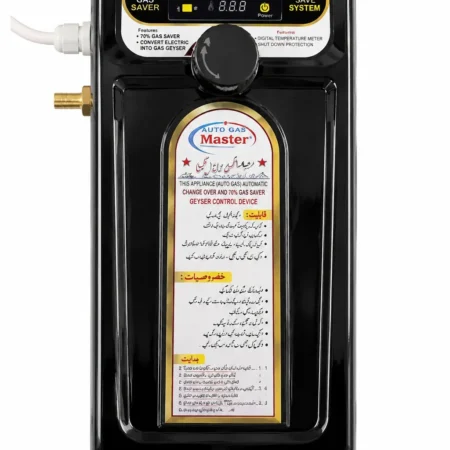

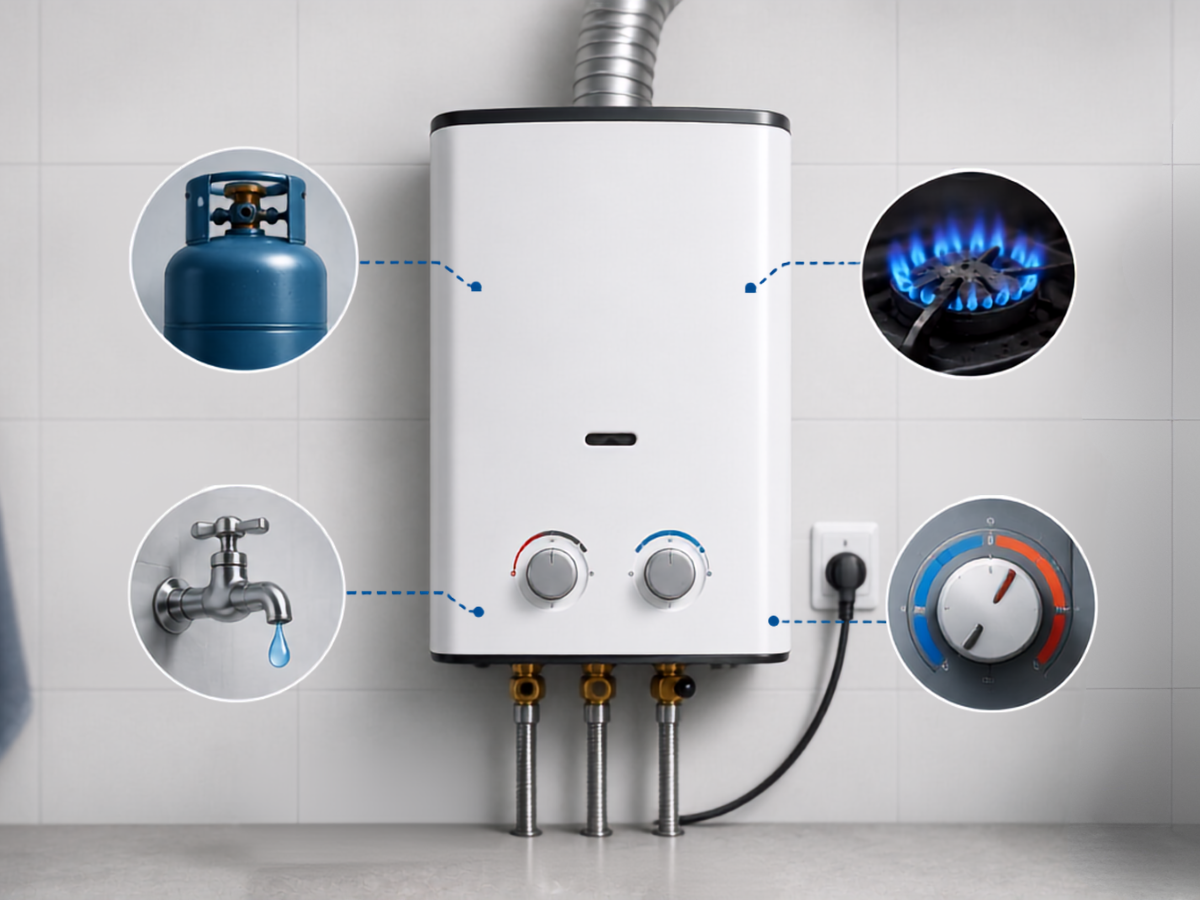
You open the hot-water tap expecting to have warm water, but you get either cold or lukewarm water instead. This is particularly frustrating, especially in winter or just before you take a shower.
The non-functioning of a gas geyser can be caused by several things like problems with ignition, gas supply disruption, water pressure problems, or worn-out parts inside the geyser. There are some simple tests that will enable you to find out what is wrong with your geyser. However, any work with the gas parts and any internal maintenance should be done only by a qualified technician. You should never try servicing gas valves or burners.
In this blog below, you will find the top 10 most frequent gas geyser issues, their possible causes and ways of determining whether you can fix the problem on your own or need the help of a professional.
Causes of Gas Geyser Problems
Following are the 10 common problems that geyser owners face:
1. Pilot Light Problems
The pilot light in the gas geyser provides flame for burning of the gas which is required to heat the water. In case it extinguishes or does not light up, the burner will not work. This is one of the common causes why gas geysers do not ignite.
2. Faulty Thermocouple
The gas geyser thermocouple is an important safety component that checks for the presence of the pilot light flame. If this component fails, the pilot light will keep going off and on, preventing the burner from working which is one of the main reasons why your gas geyser turns itself off.
3. Low Gas Pressure or Interrupted Gas Supply
A steady stream of gas is necessary for the proper working of the geyser. Poor gas pressure results in poor heating of the water, whereas any problem in the connection between the gas supply pipe and the geyser may give the impression that the geyser is faulty.
4. Dirty or Clogged Burner
Gathering of dust and debris occurs on the burner of the gas geyser over time. Burner obstruction results in a weak and inconsistent flame, resulting in inefficient burning and poor performance that is a common problem requiring gas geyser repair.
5. Faulty Ignition System
The failure of the igniter manifests through clicks but no flames, or complete lack of ignition attempts altogether; that is a typical example of gas geyser igniting without success due to gas geyser ignition issues.
6. Water Supply or Pressure Problems
Gas geysers need adequate water flow to trigger the burner. Low gas geyser water pressure, a restricted inlet, or a blocked filter can prevent proper activation, leading to a gas geyser not heating issues as expected.
7. Sediment and Scale Buildup
Minerals in water accumulate inside the unit over time, especially in hard-water areas. This buildup reduces heating efficiency, causes unusual noises, and slows down water heating that is a warning for routine gas geyser maintenance.
8. Faulty Temperature or Water-Flow Control
The flow of hot water and temperature controls dictate how the geyser works. If a control is out of order, it could lead to heating problems or even stop the whole system, sometimes it’s just a geyser temperature problem.
9. Faulty Pressure or Safety Valve
The gas geyser safety valve protects the unit from unsafe pressure buildup. A damaged valve can cause a gas geyser leaking water or affect normal operation.
10. Ventilation or Airflow Problems
Proper gas geyser ventilation is essential for safe combustion. Restricted gas geyser airflow interferes with burner operation, can cause incomplete combustion, and poses a safety risk if left unaddressed.
When Does a Gas Geyser Need Professional Repair?
Not every issue is a DIY fix. In some situations you need to call for immediate professional geyser repair rather than home troubleshooting. Watch for these warning signs:
- Smell of gas near the unit
- Repeated pilot-light failure
- Gas geyser keeps turning off unexpectedly
- Unusual or unstable flame color/shape
- Water leaking from the geyser body
- Persistent overheating
- Damaged or corroded gas connections
- Faulty safety or pressure valve
- Poor ventilation or suspected flue blockage
- Unusual sounds or burning smells during operation
Never take part in gas valves, bypass safety components, or attempt major gas-related repairs yourself. These issues fall purely into professional gas geyser troubleshooting and repair territory, and mishandling them can be dangerous.
Common Fixes for Each Geyser Problem
Issue | Fix |
Pilot light issues | Relight following manufacturer instructions; check for drafts near the unit |
Faulty thermocouple | Requires replacement by a technician |
Low/interrupted gas supply | Check the gas valve is open; contact your gas provider if supply is cut |
Clogged burner | Professional cleaning to clear dust and debris |
Ignition system fault | Technician inspection and igniter replacement if needed |
Water pressure problems | Check inlet valve and filter for blockages |
Scale/sediment buildup | Periodic professional flushing and descaling |
Temperature/flow control fault | Verify settings first; replace control if faulty |
Safety/pressure valve issues | Immediate professional replacement, do not bypass |
Ventilation/airflow problems | Technician inspection of flue and vent pathways |
Need Help With Your Gas Geyser?
If your gas geyser isn’t heating properly, keeps shutting off, or is showing signs of a component problem, professional inspection can help identify the cause before it becomes a bigger issue. Master Appliances PK is a reliable geyser manufacturer and spare parts supplier to help you find the right solution for your hot-water needs.
Conclusion
It is not always necessary to replace an entire gas geyser in case it is not functioning properly. The fault is likely to lie in some particular component, such as the pilot light, thermocouple, burner, igniter, gas source, water flow, and safety valve.
However, before making any decision, it is crucial to understand the symptoms. Nevertheless, for the repair of anything gas-related and major components of the geyser, one should always call for a professional.
Staying ahead of gas geyser maintenance goes a long way in preventing most of these gas geyser problems before they start.
Frequently Asked Questions
Why does my gas geyser take so long to heat water?
Low gas pressure, burner issues, scale buildup, restricted water flow, or incorrect temperature settings can all slow heating.
How can I troubleshoot a gas geyser?
Check the gas supply, pilot light, water flow, and settings, and look for visible leaks but leave internal gas components to a professional.
How often should a gas geyser be serviced?
It depends on the model, usage frequency, water quality, and manufacturer recommendations. However if you have any queries related to your geyser, contact us and get a quick response.
Can I repair a gas geyser myself?
Basic external checks are fine, but gas components, burners, ignition systems, safety devices, and ventilation should only be handled by qualified professionals.
Why is my gas geyser leaking water?
Leaks are often caused by loose connections, faulty valves, pressure issues, or internal corrosion.